
How Men Can Build A Strong Support System In Recovery
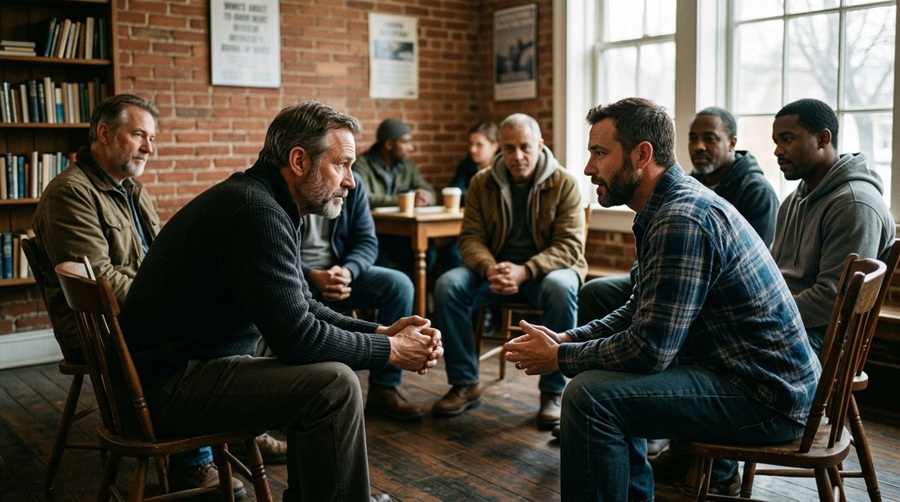
Recovery does not happen in isolation. Even when the decision to change is personal, the process requires consistent support. Without it, old patterns tend to return, especially during stressful or uncertain moments.
For many men, building that support system is one of the most overlooked parts of recovery. It is not just about having people around. It is about having the right structure, accountability, and environment to reinforce change over time.
Why Support Systems Matter In Recovery
Addiction often develops in isolation. Over time, relationships may weaken, trust can break down, and communication becomes limited. Without rebuilding those connections, recovery can feel unstable.
A support system provides accountability during difficult moments, perspective when thinking becomes distorted, consistency when motivation changes, and structure that reinforces healthier patterns.
These elements help reduce the likelihood of relapse. More importantly, they create a framework where recovery becomes part of daily life instead of something that depends on willpower alone.
The Challenge Many Men Face
For many men, asking for support can feel uncomfortable. There is often a tendency to handle problems independently or avoid discussing personal struggles altogether.
This can lead to:
- keeping thoughts and challenges internal
- avoiding difficult conversations
- relying on old coping habits instead of reaching out
Over time, this pattern can weaken recovery. Without input from others, it becomes harder to recognize blind spots or break cycles that contribute to relapse.
Building a support system requires changing this approach. It involves being willing to engage, communicate, and accept accountability.
What A Strong Support System Actually Looks Like
A strong support system is not defined by the number of people involved. It is defined by consistency, reliability, and honesty.
Effective support systems often include:
- peers who understand recovery and can relate to the process
- structured programs that provide routine and accountability
- professionals who offer guidance and therapy
- trusted individuals who reinforce positive changes
Each part plays a different role, but together they create a more stable foundation.
The key is not just having support available, but actively using it.
Building Support Through Structured Environments
One of the most effective ways to build a support system is by entering a structured environment where accountability is part of the process.
Into Action Recovery is one example of a men-only residential program in British Columbia that focuses on building this kind of foundation. Their approach centers on structured daily routines, peer accountability, and community-based support, helping men step away from their environment and focus fully on recovery. In this type of setting, individuals are not only supported but also expected to contribute to the group, reinforcing responsibility and consistency.
For those looking to understand how structured, community-driven recovery works in practice, you can find more details here: https://intoaction.ca/
Being part of a structured program helps establish habits that carry beyond treatment. It also creates connections that often continue after leaving the program.
The Role Of Peer Support And Brotherhood
Peer support is one of the most impactful elements of recovery. Being surrounded by individuals who are going through similar experiences creates a level of understanding that is difficult to replicate elsewhere.
In men-only environments, this often takes the form of direct communication without avoidance, shared accountability for progress, and mutual reinforcement of expectations. This dynamic can challenge old patterns while also providing consistent encouragement. Over time, it helps replace isolation with connection.
Maintaining Support After Treatment
Building a support system during treatment is only part of the process. Maintaining it afterward is what makes recovery sustainable.
This often involves:
- continuing therapy or counseling
- staying connected with peers from treatment
- participating in support groups or meetings
- maintaining routines that reinforce structure
Consistency is what keeps the system working. When support becomes part of a regular routine, it is easier to stay on track even when challenges arise.
Taking Responsibility For Your Support System
A support system does not work automatically. It requires participation, honesty, and consistency.
This means reaching out instead of isolating, being open about challenges, accepting feedback, even when it is difficult, and staying engaged even when progress feels slow. These actions reinforce the system and make it more effective over time.
Building Something That Lasts
Recovery becomes more stable when it is supported by structure and connection. For men who are used to handling things alone, building a support system may feel unfamiliar at first, but it is often what makes long-term progress possible.
With the right environment, consistent accountability, and strong peer support, it becomes easier to move forward without relying on old patterns. A well-built support system does not remove challenges, but it makes them easier to manage in a way that supports lasting change.